The science is clear.
We must create climate action now!
The six key stressors.
Six interrelated steps have been identified by the World's Scientists.
These are areas that we are campaigning governments and policy makers to act upon.
Below are extracts from the Scientists Warning to Humanity papers.
Food.
“Eating mostly plant-based foods while reducing the global consumption of animal products, especially ruminant livestock, can improve human health and significantly lower GHG emissions. Cropping practices such as minimum tillage that increase soil carbon are vitally important. We need to drastically reduce the enormous amount of food waste around the world.”
Population.
“The world population must be stabilised—and, ideally, gradually reduced—within a framework that ensures social integrity. These policies make family-planning services available to all people, remove barriers to their access and achieve full gender equity, including primary and secondary education as a global norm for all, especially girls and young women.”
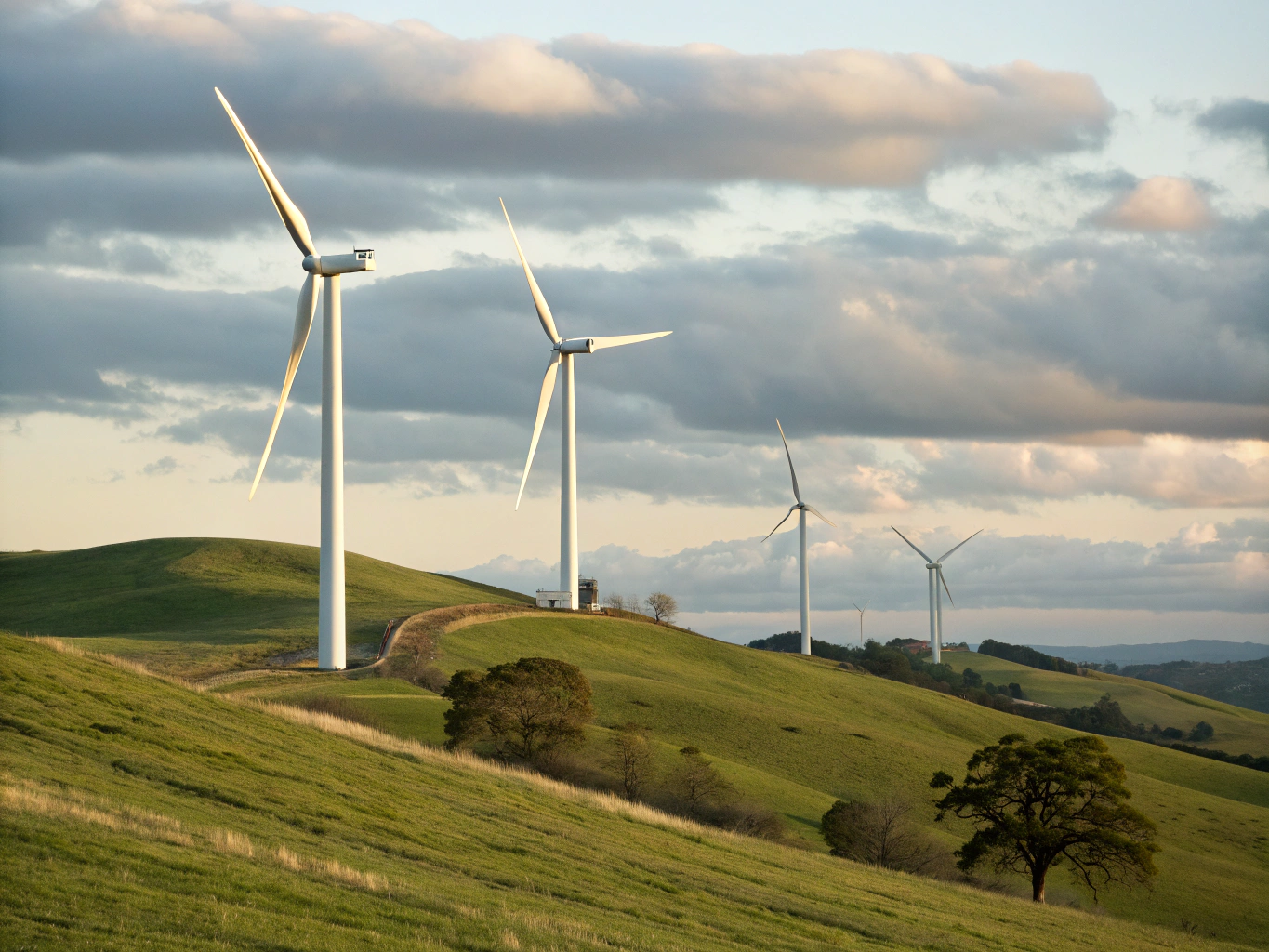
Energy.
“The world must quickly implement massive energy efficiency and conservation practices and must replace fossil fuels with low-carbon renewables and other cleaner sources of energy if safe for people and the environment. We must swiftly eliminate subsidies for fossil fuels and use effective and fair policies for steadily escalating carbon prices to restrain their use.”
Pollution.
“We need to promptly reduce the emissions of short-lived climate pollutants, including methane, black carbon (soot), and hydrofluorocarbons (HFCs). Doing this could slow climate feedback loops and potentially reduce the rate of near-term warming.”
Sustainable Economy.
“Excessive extraction of materials and overexploitation of ecosystems, driven by economic growth, must be quickly curtailed to maintain long-term sustainability of the biosphere.”
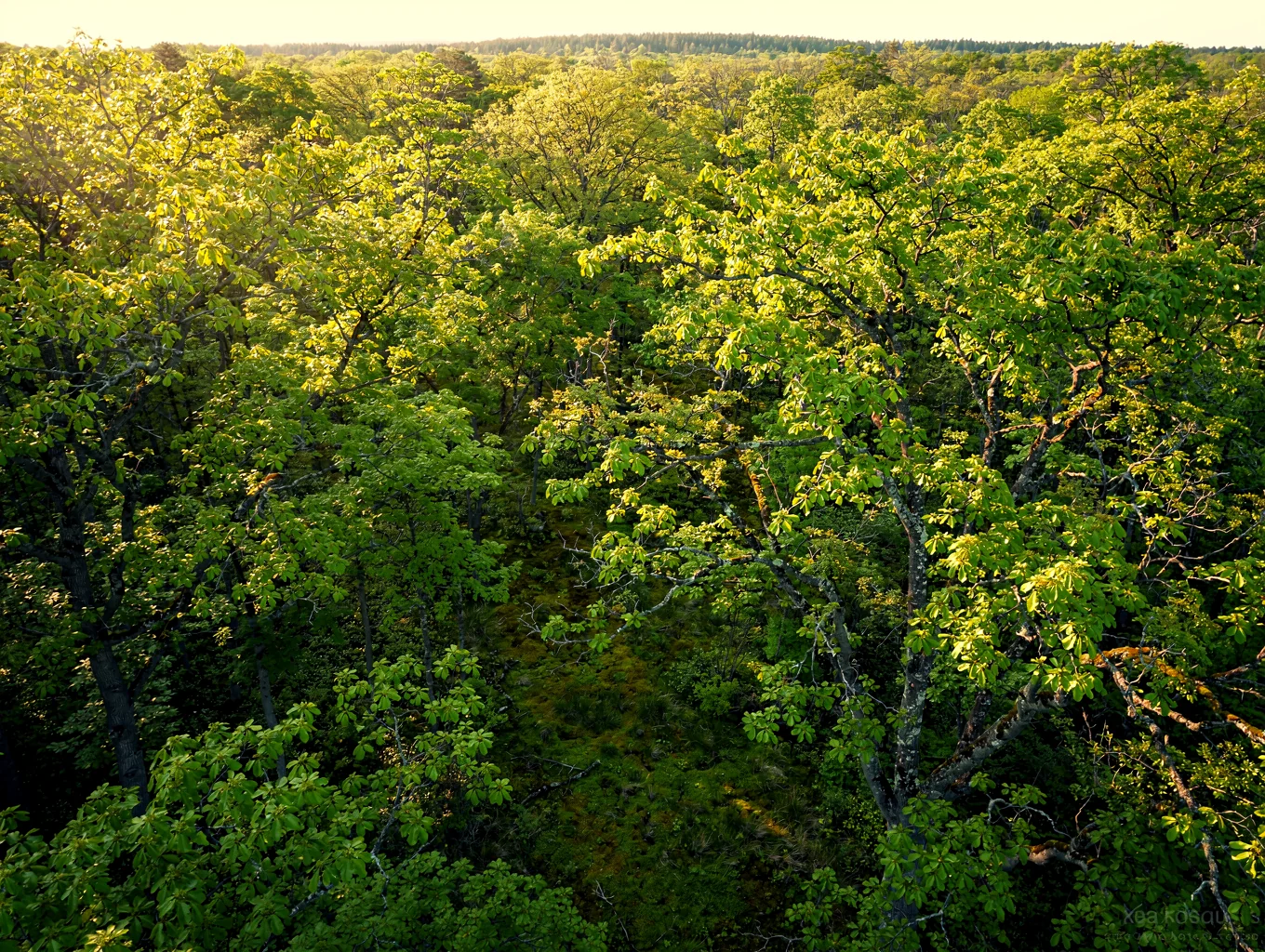
Nature.
“We must protect and restore Earth's ecosystems. Phytoplankton, coral reefs, forests, savannas, grasslands, wetlands, peatlands, soils, mangroves, and sea grasses contribute greatly to sequestration of atmospheric CO2. Marine and terrestrial plants help stabilize the climate system.”


Contact Us
Have questions or want to get involved? Reach out to us.